The Regent Vine
Welcome to The Vine, a publication of Regent College.
We’re delighted to share ideas and perspectives from a wide range of people within and beyond Regent’s circles. In articles and interviews, podcasts and videos, you’ll hear authentic voices speaking from experience and expertise about ideas that matter to our community and yours.
Join us for conversations that inform, challenge, and inspire.
The Regent Vine
Welcome to The Vine, a publication of Regent College. Join us for conversations that inform, challenge, and inspire.
Subscribe to Our Newsletter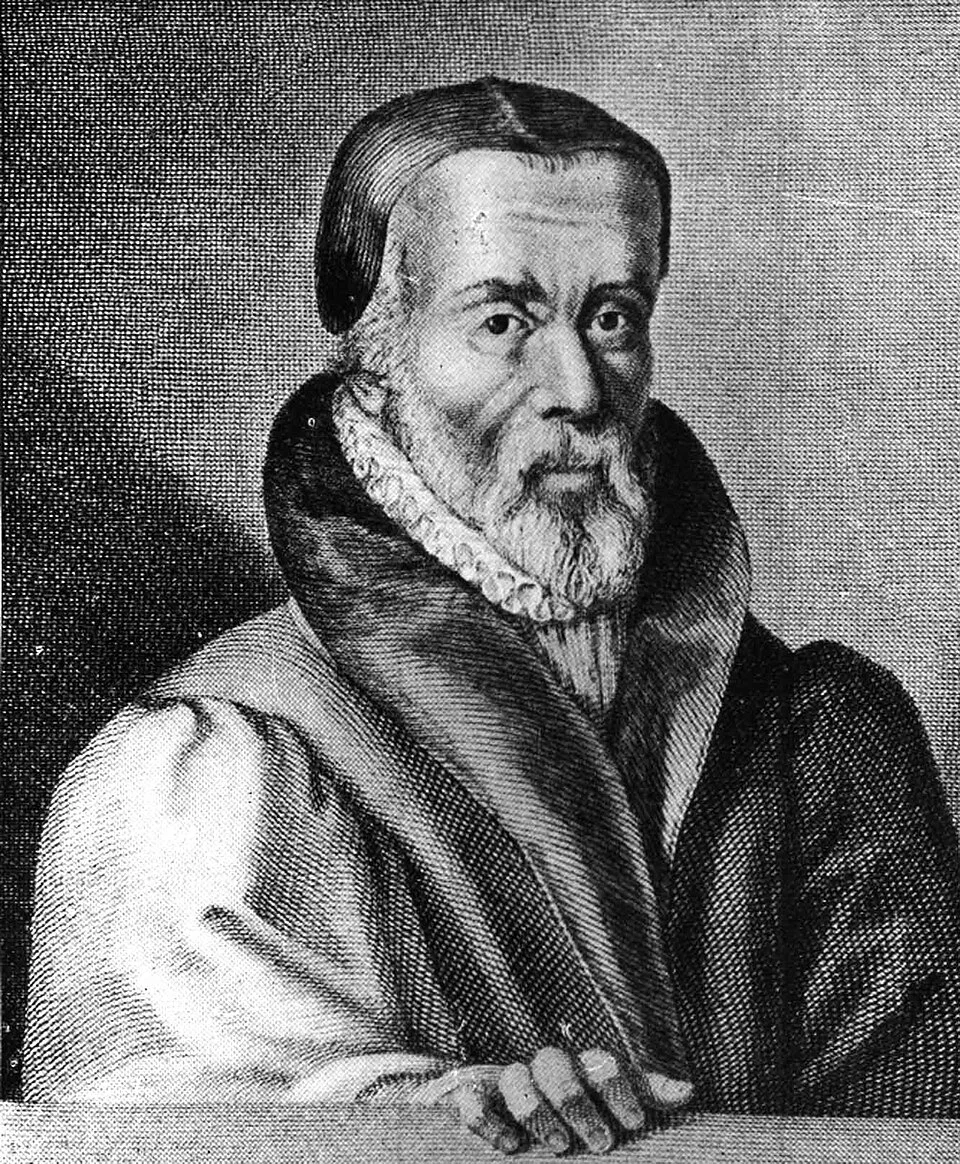
Whose Bible, Which Language? Tyndale’s Vernacular Project and the Church Today
Marking the 500th anniversary of William Tyndale’s English New Testament, this article explores his enduring vision of making Scripture accessible to all. It considers who has authority over Bible translation, the value of inherited language, and whether any one language holds a privileged place in divine revelation, arguing that God’s Word is meant to be understood and proclaimed in the languages of all peoples.
All Resources: Science & Technology
Safeguarding Our Humanity in a Digital Age | Part 2
Safeguarding Our Humanity in a Digital Age | Part 1
Podcast | God and Molecules - Chemical Evolution and Divine Providence
As Season 8 comes to a close, Claire and Rachel sit down with Regent professor Ross Hastings to discuss his new book, God and Molecules: Chemical Evolution and Divine Providence. Exploring the intersection of chemistry and theology, Hastings reflects on God's purposeful work in creation from the earliest molecules to the present. Together, they consider how scientific discovery can deepen our understanding of divine providence, inspire intellectual humility, and awaken wonder and worship.